How anger can build up your Relationship Wisdom

Harnessing your anger can help you access your Relationship Wisdom. Anger has a bad rap which I think is underserved. While there is obviously much truth to Ryan Holiday’s statement that there’s “no one stupider than an angry person”, I wish to tell you about how to use anger to combat Relationship Friction. In last […]

Read More


Make up a reason to keep engaging even when Relationship Friction bites

Beat Relationship Friction by making up a reason not to disengage. When Relationship Friction bites, we typically have one of two immediate, instinctive reactions: Anger or withdrawal. This post focuses on withdrawal—that paralyzing feeling, the instinct to run, to disengage. For example, When an important conversation doesn’t work out, you freeze and become mute. When […]

Read More

Taking responsibility is crucial to developing Relationship Wisdom

Relationship Wisdom in practice: taking appropriate responsibility is the hardest step. The other day, I was outlining a customised coaching journey for a prospective client burdened by Relationship Friction. She interrupted me: “It wasn’t my fault.” Until then, she had been smiling. Her body language had been relaxed and open. I saw her visibly tense. […]

Read More

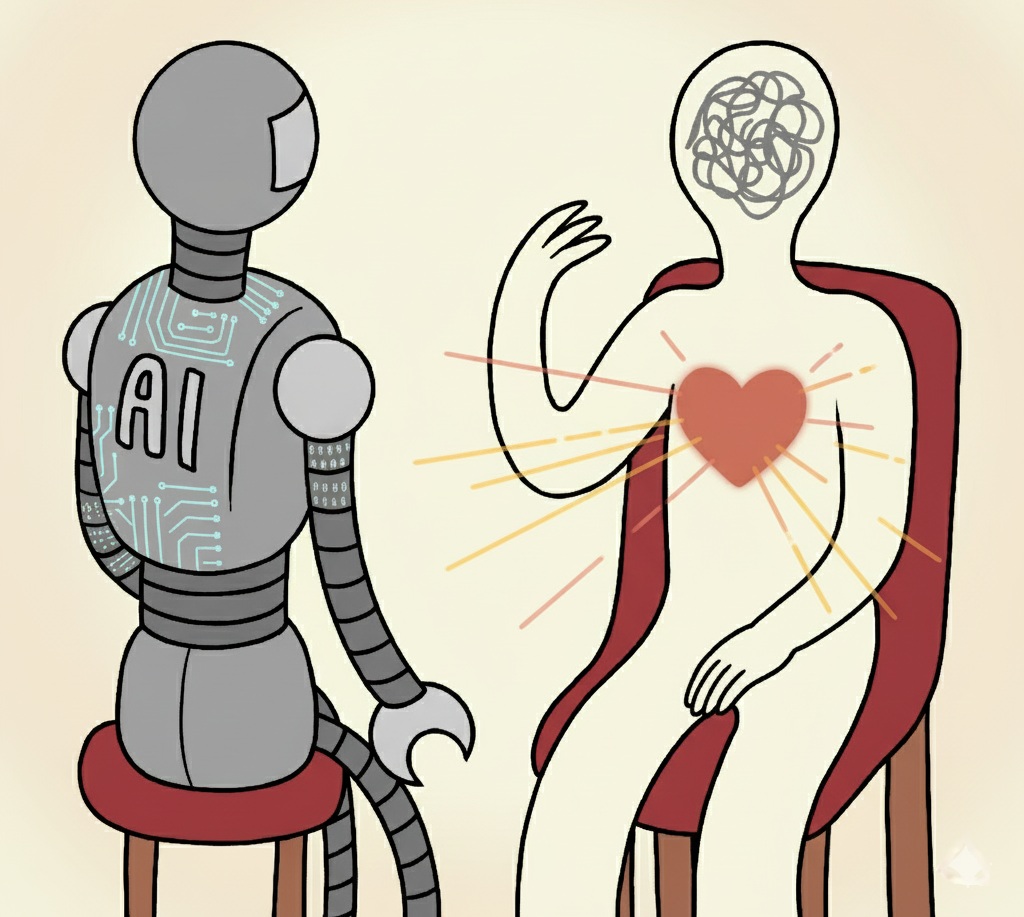
Relationship Wisdom in the Age of AI

Relationship Wisdom in the Age of AI? Here is why it matters now more than ever. The AI debate currently raging misses out on highlighting what AI cannot — in fact won’t be able to — do. And yet, what AI cannot do reveals our structural human advantage. Here is a quote I find particularly […]

Read More

About the pain of relationship friction

The Israeli-Palestinian conflict is the epitome of Relationship Friction I hesitated to post about this: such a loaded and incredibly delicate topic. Let me make it clear: my intention with this post is NOT to make light of this war. My point is this: Relationship Friction is the root cause of conflict. It can take many forms. […]

Read More

About managing versus coping

Employers ask you to manage. You also need to be able to cope. The difference between the two is crucial. Many of my clients face excessive workloads. Incessant demands impossible to plan for. Ever-rising business volumes without the right processes. In response, they are expected to manage. Managing is both cognitive and behavioural. It demands […]

Read More

About toxic relationships at work

“Don’t confuse “familiar” with “acceptable”. Toxic relationships can fool you like that.” – Steve Maraboli, Speaker, Author, Athlete, Veteran Wisdom and Courage: to know when to act differently, and then to do so. This may sound obvious, but is this how you actually respond when the situation demands it? Do you instead remain trapped in […]

Read More

Stoic virtues in the XXIst century part 2/2

“The happiness of your life depends upon the quality of your thoughts” – Marcus Aurelius, Roman Emperor I would have been curious to hear some of your stories of living with Wisdom and Temperance. I’m sure many of you embody them, even if you don’t name them that way. Today, let me share two stories […]

Read More

Stoic virtues in the XXIst century part 1/2

“How long are you going to wait before you demand the best for yourself?” – Epictetus, Greek slave and philosopher During my LinkedIn holiday, I reposted folks whose personal philosophies shape their work because this is how I increasingly chose to show up. Today, I wish to share my own moral compass: the four virtues of Stoic […]

Read More

How we really make decisions

Hello and welcome to this month’s neuro blog! Are you enjoying the summer? I’m writing from the South of France and it’s just blissful! Today, I’d like to address decision-making. Remember that I posited in an early post that “there is no thinking which is not emotional which in turn implies that our decisions and behaviours are […]

Read More

Really learning (part 3): meaning and chunking

Hello and welcome to this month’s neuro blog! In this third – and final – blog on the topic of facilitating learning, let me build on the positive implications of harnessing emotion and of maximising attention and engage you on the themes of meaning generation and chunking. At this stage of the game, I have […]

Read More

Really learning (part 2): back to attention

Hello and welcome to this month’s neuro blog! For those of you who teach, did you think that leveraging emotions was a good idea? If so, how did you practically do so? For those among you keen learners, did you agree that emotions facilitate both the processing and later the recall of new knowledge, as I proposed in my […]

Read More